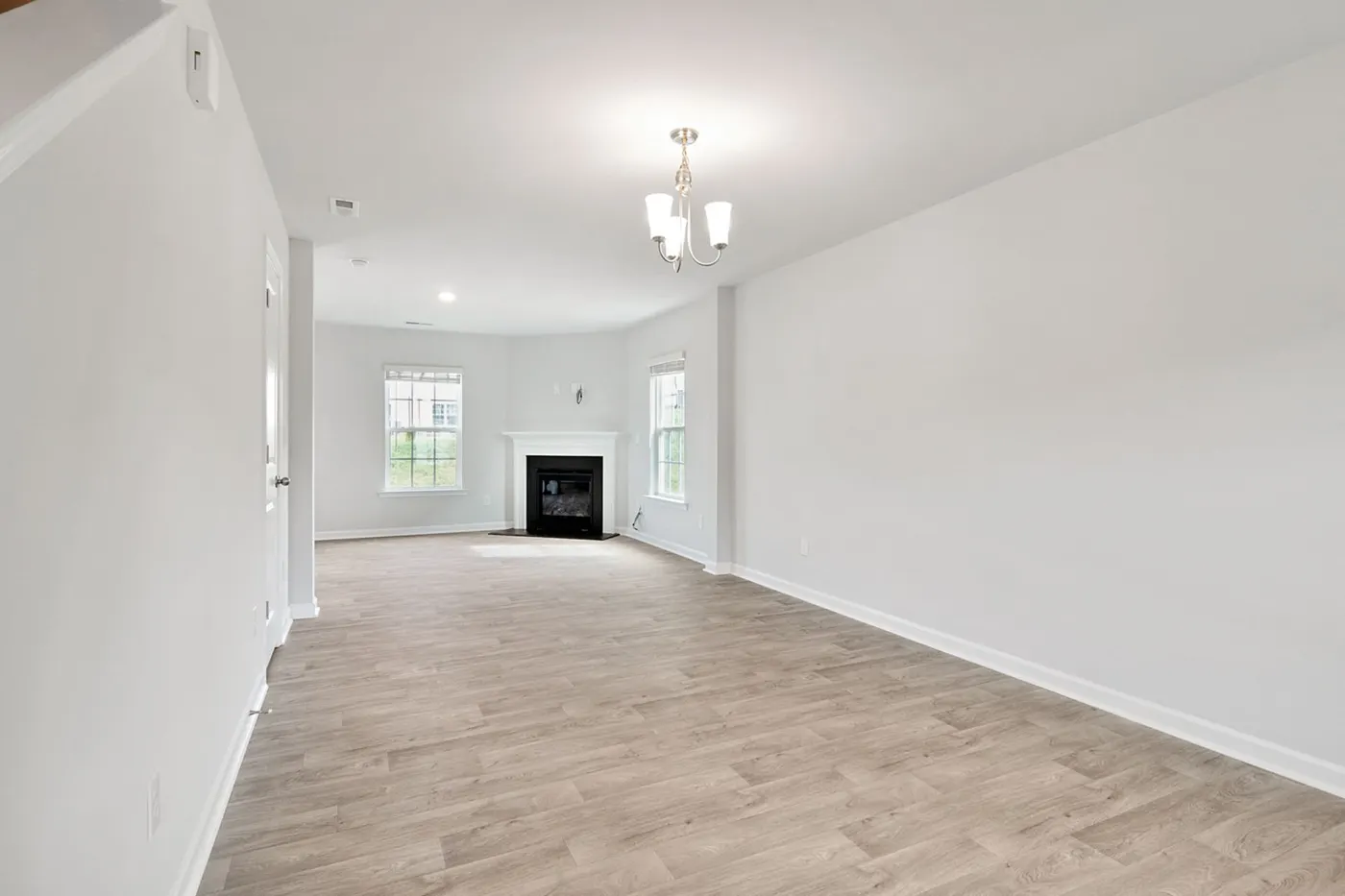
Where the water comes from in Temple homes
- **Attic AC units.** A clogged condensate line or a full drain pan during summer cooling. See [ceiling stains under the AC unit](/problems/ac-drain-leak-ceiling/).
- **Roof leaks after storms.** Hail and high wind can damage shingles and flashing. See [ceiling spots after a hail storm](/problems/hail-storm-roof-leak-ceiling/).
- **Plumbing.** Supply lines, drains, toilets and water heaters.
- **Windows.** Failed seals letting water run inside the wall during heavy rain.
First steps after a leak
- Stop the water. Shut off the supply or the AC, or put a bucket under the drip.
- Move furniture and electronics out of the way.
- If a ceiling is bulging with water, poke a small hole at the lowest point to drain it into a bucket. A heavy bulge can bring the ceiling down.
- Take photos for insurance before anything is removed.
- Get the source fixed by the right trade.
When drywall can stay and when it has to go
**It can often stay** when the stain is dry, the board is firm and the leak was brief. Those spots get a stain-blocking primer and paint, or a skim coat if the paper bubbled.
**It has to go** when the board is soft, crumbling or sagging, when the paper is peeling, when there's a musty smell or visible mold, or when insulation above a ceiling got soaked.
How the repair is done
- Cut out the wet board, usually to the nearest studs or joists, and a little past the stain.
- Check the framing and insulation, and dry the cavity. Fans and the AC help.
- Replace wet insulation.
- Hang new board, tape and finish it.
- Match the texture and prime with a stain-blocking primer.
About mold
The EPA advises fixing the water problem and drying wet materials within 24 to 48 hours to help prevent mold growth. Larger mold problems may need a mold specialist before drywall goes back up.
Insurance
Many policies cover sudden water damage but not slow leaks. Photos, dates and repair estimates help a claim. Your insurer decides what's covered.
What affects the price
- Size of the wet area and whether it's a wall or ceiling
- Insulation replacement
- Drying time
- Texture matching and painting
Checking how far the water went
Water spreads farther than the stain shows. Ways it gets checked:
- **Moisture meter.** Reads dampness in the board and framing.
- **Feel and press.** Soft, swollen or crumbly board is wet or damaged.
- **Look above and behind.** Attic insulation, the back of the wall cavity, and the bottom plate on the slab.
- **Baseboards.** Swollen or separated baseboards can mean water wicked up the wall.
Cuts are made past the edge of the wet area, so no damp board stays behind.
Flood cuts after a plumbing leak
When water spreads along the floor, the usual approach is a "flood cut": a straight cut a couple of feet up the wall, removing the wet lower board. Insulation behind it comes out too. Once the cavity is dry, new board goes in along a clean line that's easy to tape and finish.
Drying before rebuilding
Closing a wet wall traps moisture. Fans, dehumidifiers and running the AC dry the cavity faster. Framing should test dry before new board goes up. Temple's humid summer air slows drying, so a dehumidifier helps more than open windows.
Ceilings after a leak
Ceiling drywall soaked with water gets heavy and can sag or drop. Wet insulation above adds weight. If the ceiling bulges:
- Clear the area below.
- Poke a small hole at the low point and drain into a bucket.
- Keep people out from under it.
Once dry, sagged board is replaced rather than pushed back up.
Stain blocking
Water leaves tannin and mineral stains that bleed through regular paint. A stain-blocking primer, often shellac- or oil-based, seals them. Skipping it often means the stain reappears after the first coat of paint.
Mold signs to watch for
- Musty smell after the area dries
- Dark spots on the paper face or in the cavity
- Stains that keep growing after the leak stopped
The EPA notes that small areas can often be cleaned, while larger areas may need a professional. Moldy drywall is usually removed and replaced, not cleaned.
Keeping records for insurance
- Photos of the leak source, the stain and the damage before removal
- Dates when the leak started and was fixed
- Receipts for plumbing, roofing or HVAC repairs
- A written description of the drywall work
Your insurer decides what's covered, but good records make the process smoother.
What to send after a leak
Photos of the stain or cut-out area, where the water came from, whether the source is fixed, how long ago it happened, and whether insurance is involved.
Common water sources in Temple homes
Water heaters in attics or closets, supply lines to toilets and sinks, ice-maker lines behind refrigerators, AC drain pans, and roof leaks after storms. Knowing the source helps decide how much board needs to come out and whether insulation behind it is wet. Fix the source before any drywall goes back up, and keep photos of every stage for your records.
Questions people in Temple ask
How long does wet drywall take to dry?
A lightly wet area can dry in a few days with fans and AC. Soaked board usually doesn't recover well and should be replaced.
Can I paint over a water stain?
Only if the board is dry and firm. Use a stain-blocking primer first, or the stain will bleed through.
Does wet drywall always mean mold?
No. Quick drying helps prevent it. A musty smell or dark spots are signs to look closer.
Will insurance pay for drywall repair after a leak?
It depends on your policy and what caused the leak. Sudden leaks are more often covered than slow ones.
What is a flood cut?
A straight cut a couple of feet up the wall to remove water-damaged board after a floor-level leak. It makes drying and rebuilding easier.
Why did the stain come back after painting?
Water stains bleed through regular paint. A stain-blocking primer is needed first.