Drywall repair and installation in Temple, TX
Cracked corners, leak stains, knockdown that won't match, or a new room that needs board. Answer six quick taps to tell us about your project and get the process started.
- Repairs, remodels and new builds
- Knockdown and orange peel matched
- Temple and Bell County
The short answer
Most drywall repair in Temple is a two- or three-visit job: cut out or fill the damage, tape and mud it, then match the texture so it disappears under paint. Cracks that keep coming back are often clay movement under the house, so those get a look at the cause before the patch.
Drywall work built around Temple houses
Temple has grown fast. The Census Bureau puts the city at 96,267 people in 2024, up about 17% since 2020. That means two very different kinds of drywall calls. Newer houses on the edges of town get nail pops and seam lines as fresh framing dries out. Older homes closer to downtown get cracks, old patches that show and ceilings that have seen a few roof leaks.
Both kinds sit on the same ground. East of the Balcones Escarpment, Bell County is Blackland Prairie, and the main soil is Houston Black clay. USDA soil scientists describe it as a clay that opens cracks up to 4 inches wide in dry months and swells again when the rain comes back. Walls ride along with that movement, and drywall is where it shows first.
So a good repair here does two things. It fixes the board you can see, and it uses joints and compound that can live with a little seasonal movement.
Only on this site
The Blackland Crack Check
Temple sits on Blackland Prairie clay that swells when it's wet and shrinks when it's dry. That movement shows up in drywall. Answer four questions to see whether a crack is a simple patch or a sign to look at the house first.
This is a rule-of-thumb check, not an inspection. Cracks wider than about 1/4 inch, or ones that keep growing, are worth having a foundation or structural pro look at before any drywall work.
Drywall services in Temple
Pick the job that fits. Each page explains what the work involves, what drives the price and what to expect from start to finish.
- Drywall repairHoles, dents, cracks and soft spots fixed and blended in.
- Drywall installationNew board hung, taped and finished for remodels and new rooms.
- Taping and finishingSeams, corners and the finish level that suits your paint.
- Knockdown and texture matchingKnockdown, orange peel and skip trowel matched to the rest of the room.
- Water-damaged drywallWet or stained board cut out, dried out and replaced.
- Ceiling repairCracked, stained and sagging ceilings put back flat.
- Popcorn ceiling removalAcoustic texture scraped off and the ceiling refinished.
- Crack repairCracks over doors, windows and seams, including ones that keep coming back.
- Garage drywallGarage walls and ceilings, including the wall shared with the house.
- New builds and additionsWhole rooms, additions and finish-outs hung and finished.
Repairs that disappear under paint
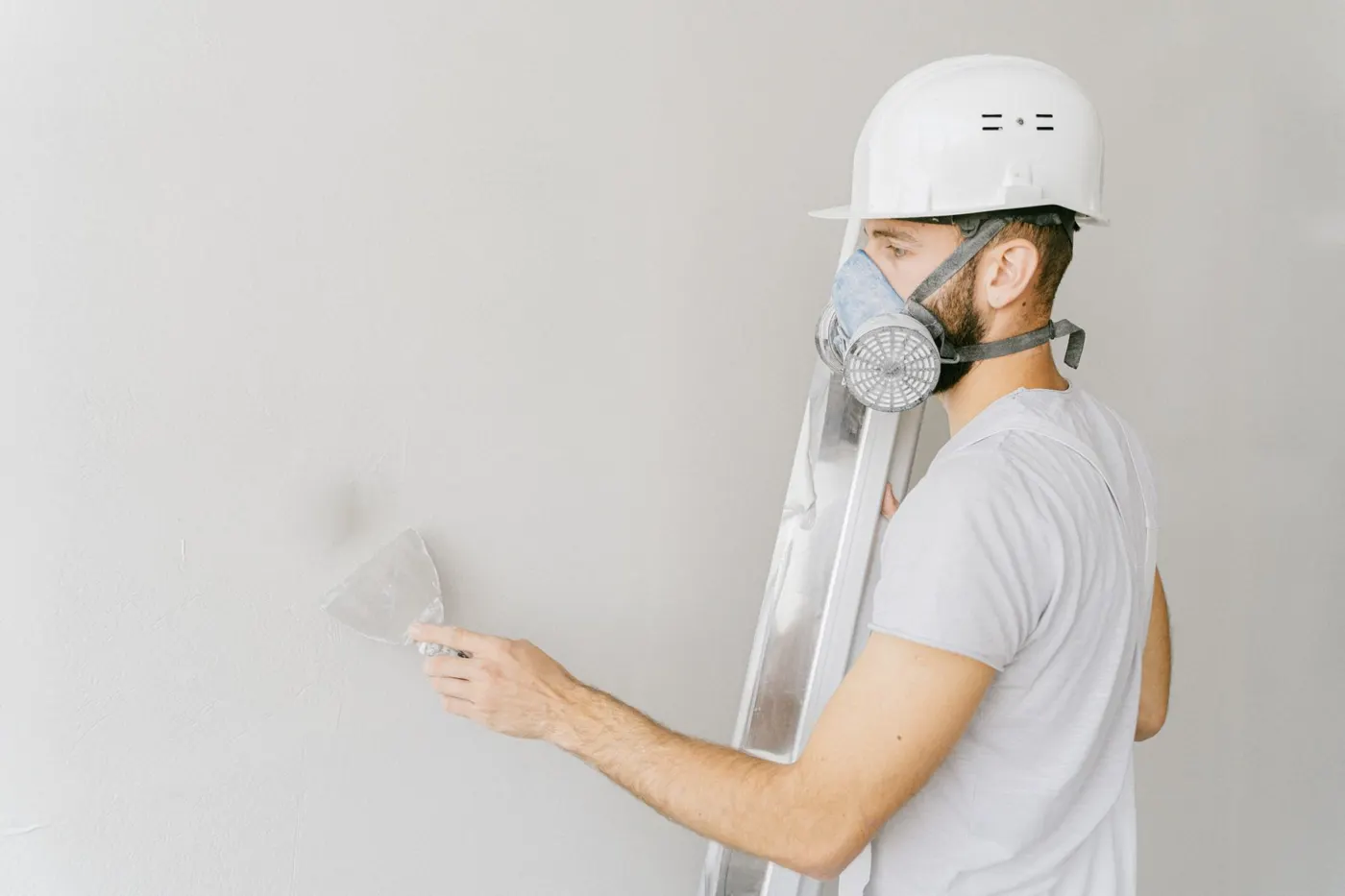
A patch only works if you can't find it later. That comes down to three things: a flat repair, feathered edges and a texture that matches the wall around it.
Small holes get a backer and setting compound. Larger damage gets cut back to the studs and a new piece of board screwed in. Seams get tape bedded in mud, not just a skim. Then the texture is matched, whether that's knockdown, orange peel, skip trowel or smooth.
What are you seeing?
Start with the symptom. Each page explains the likely causes around Temple, what you can safely check yourself and when it's time to get help.
Typical drywall cost ranges in Temple
These are general ranges for the Temple area so you can plan. They are not prices for your job. The real price comes after someone sees the room.
| Job | Typical range |
|---|---|
| Small hole, dent or a few nail pops | $150–$350+ |
| Crack repair with re-taping | $200–$600+ |
| Larger section of wall replaced | $400–$1,200+ |
| Ceiling repair | $300–$1,300+ |
| Water-damaged drywall, cut out and replaced | $600–$2,500+ |
| Knockdown texture, one room | $500–$1,500+ |
| Popcorn ceiling removal, per room | $600–$2,000+ |
| Hang and finish one average room | $1,500–$4,000+ |
What moves the number: ceiling height, how much texture has to be matched, whether wet board and insulation have to come out, and how many trips the finishing takes. The full cost guide breaks each factor down.
How a Temple drywall job goes
Tell us the job
Six taps and a phone number. Add a note or a description of the damage if it helps.
Get a call back
A short call to understand the size, the texture and the timing. Some jobs need a quick look in person.
Plan the work
Talk through the scope, the timing and the next step for your actual job before any work starts.
Repair and finish
Floors covered, damage repaired, coats dried, texture matched and the area left ready for paint.
New rooms, remodels and additions
Garage finish-outs, added rooms and opened-up layouts all need full sheets hung, taped and finished, not patches.
The finish level should fit the paint. Flat paint in a bright room hides more. A glossy wall or a long hallway with window light shows every ridge, so it needs a smoother finish. Moisture-resistant board belongs in bathrooms and laundry rooms, and fire-rated board goes on the wall between a garage and the house.
Read about drywall installation or additions and new builds.
Central Texas weather and your walls
NOAA's 1981–2010 normals put Temple at about 36 inches of rain a year, with July highs around 95°F. That mix is hard on houses in a few specific ways.
Summer AC leaks
Many Temple homes have the air handler in the attic. When the drain line clogs in July, water ends up on the ceiling below. The stain usually shows near a hallway or closet. Our page on ceiling stains under the AC unit walks through it.
Spring storms
Hail and wind storms crack shingles and open small roof leaks that show up weeks later as a brown ring on the ceiling. Fix the roof first. Then the ceiling can be dried, sealed and repaired.
Dry spells
Long, dry stretches shrink the clay under slabs. That's when diagonal cracks show up above doors and windows, and doors start to stick.
Towns around Temple
Distances are approximate driving miles from downtown Temple.
- Beltonabout 9 miles southwest
- Killeenabout 27 miles west
- Harker Heightsabout 23 miles west
- Saladoabout 20 miles south
- Troyabout 13 miles north
- Morgan's Point Resortabout 12 miles west
- Nolanvilleabout 20 miles west
- Little River-Academyabout 10 miles south
Not on the list? Send a request anyway and mention your town in the notes.
Before you call: quick checks
- Press gently on the damage. Firm board with a surface mark is a patch. Soft or crumbly board needs replacing.
- Look for water. A stain that is still damp or growing means there is an active leak to fix first.
- Check the doors in that room. If they've started sticking, mention it, because it can point to movement.
- Take a photo with something for scale, like a hand or a tape measure. It helps explain the job.
- Know the texture. Knockdown looks like flattened splatters. Orange peel looks like fine bumps. Smooth is smooth.
Questions people in Temple ask
How much does drywall repair cost in Temple, TX?
Small patches such as a doorknob hole or a few nail pops often land around $150–$350+. A larger section or a ceiling repair can run $400–$1,200+, and water-damaged areas are often $600–$2,500+ once the wet board is cut out. The actual price depends on size, height, texture and how many trips the finishing takes. See the Temple drywall cost guide.
Why do drywall cracks keep coming back in Temple?
Much of Temple is built on Blackland Prairie clay. It swells when it's wet and shrinks during dry spells, and houses move with it. Cracks that return at door and window corners are often a sign of that movement. Use the Blackland Crack Check to sort a simple patch from a crack worth a closer look.
Can you match the knockdown texture on my walls?
Yes. Knockdown is the most common wall texture in Central Texas homes, and matching it is a normal part of most repairs. The patch is sprayed or hand-applied, knocked down at the right time and primed so it blends after paint. Read more on knockdown and texture matching.
Do I need a permit for drywall work in Temple?
Cosmetic patching usually doesn't need one. The City of Temple lists remodeling and repair work as needing a building permit, and any plumbing, electrical or HVAC changes need their own trade permits. Our Temple permit guide explains when it applies.
How long does a drywall repair take?
Most patches need two or three visits spread over a few days, because each coat of joint compound has to dry before the next one. Fast-setting compound can shorten that. A full room hang and finish usually takes about a week from board to primer.
Do you work outside Temple?
Yes. Requests come from Belton, Killeen, Harker Heights, Salado, Troy, Morgan's Point Resort, Nolanville and Little River-Academy. See the towns page.
What should I do first after a ceiling leak?
Turn off the water source if you can, move things out from under the stain and poke a small hole at the lowest point of any bulge so water drains into a bucket. Then let the area dry and have the board checked. Wet drywall that stays soft needs to come out.
Is popcorn ceiling safe to scrape?
Popcorn ceilings put up before the mid-1980s can contain asbestos. Have a sample tested before anyone scrapes it. Testing and any abatement are separate from removal. Our popcorn removal page covers the steps.